 DailyrecordNg …Nigeria's hottest news blog


Related Articles
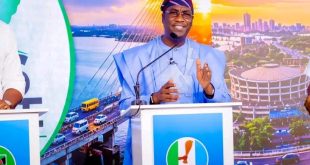

The Network Against Corruption and Trafficking (NACAT) views with deep concern the escalating trend of personal vilification, mudslinging, and character assassination dominating the political campaigns of the leading presidential candidates ahead of the 2027 general elections.
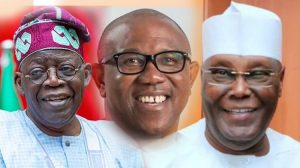
We are worried that instead of robust, intellectual debates on structural policy choices, the public space has been weaponised by the camps of President Bola Tinubu, Alhaji Atiku Abubakar, and Mr. Peter Obi. Rallies and media channels have degenerated into arenas for throwing tantrums, trade-offs of insults, and trivialities.
Nigeria is currently navigating a profound, multi-dimensional crisis. The nation’s economy, security architecture, and social fabric are under severe strain. At a time when citizens are desperately seeking realistic roadmaps out of hardship, the leading political actors cannot afford to substitute governance solutions with toxic political theater.
NACAT firmly asserts that Nigerians deserve a campaign driven by substance, intellect, and clear blueprints. We demand that all candidates immediately shift their focus toward addressing the critical structural deficits pulling the nation downward.
It is a popular saying that to whom much is given, much is expected. As such, if you seek to lead Africa’s most populous nation, you must prove your worth through the soundness of your policies, not the volume of your propaganda.
NACAT insists that the leading contenders ground their campaigns in measurable, realistic strategies to tackle the following critical national challenges:
- Systemic corruption, oil theft, budget padding, and lack of transparency in public procurement continue to bleed the nation’s treasury, leaving critical sectors underfunded. Candidates must detail their strategies for strengthening anti-graft agencies (EFCC, ICPC) and ensuring their absolute independence from political interference. They must outline explicit plans to deploy technology in tracking public expenditure, eliminate ghost workers, and systematically block loopholes in revenue-generating agencies like the NNPCL and FIRS.
- High inflation, a volatile exchange rate, and a crushing national debt profile have eroded the purchasing power of the average Nigerian, pushing millions below the poverty line. The electorate needs to hear concrete fiscal and monetary strategies to stabilize the Naira, diversify foreign exchange earnings beyond crude oil, and manage the country’s debt sustainably. Candidates must present actionable plans for microeconomic interventions to stimulate small businesses (MSMEs) and reduce the cost of living.
- Widespread insecurity, ranging from banditry and kidnapping to insurgency and food-supply disruption continues to threaten national stability and economic growth. Contenders must move beyond generic promises of “securing the nation.” They must provide comprehensive frameworks for intelligence-led policing, border security management, and judicial reforms to accelerate the prosecution of terrorism financiers. They must also explicitly state their positions and implementation timelines regarding state policing and local government autonomy.
- Economic hardship has accelerated the desperate migration of Nigeria’s best talents (the ‘Japa’ phenomenon), making citizens highly vulnerable to transnational human trafficking syndicates and modern slavery. Candidates must pitch concrete policies to foster local job creation, build robust vocational structures, and create an enabling environment that retains youth talent. Furthermore, they must outline collaborative, inter-agency strategies to adequately fund and empower the National Agency for the Prohibition of Trafficking in Persons (NAPTIP) to smash trafficking rings.
- A collapsing national electricity grid and decaying transport infrastructure directly stifle industrial growth, while insecurity in agrarian belts threatens food self-sufficiency. The leading candidates must articulate realistic, time-bound investments in renewable energy, grid decentralization, and critical rail and road networks. They must clarify how they intend to secure farmers, restore agricultural supply chains, and lower the costs of food production.
The corporate survival of Nigeria hinges on the quality of leadership established in 2027. This leadership cannot emerge from a foundation of insults and evasion of accountability.
We call on the leading candidates to restrain their campaign organizations, media aides, and loyalty networks. Direct your teams to produce policy-driven communications. Tell Nigerians how you intend to fix the country, when you intend to do it, and where the funding will come from.
Also, we urge the Nigerian public, media houses, and civil society groups to reject the distractions of political tantrums. Let us collectively hold the candidates’ feet to the fire by demanding rigorous policy explanations at every debate, town hall, and interactive forum.
NACAT will continue to monitor the space and expose any candidate who attempts to subvert the 2027 discourse with distractions and political gimmickry.
Stanley Ugagbe
Operations Manager